
Own Brand or Branded Product in the Salon: What Really Pays Off?
Own brand or branded product in the salon? We compare margin, quality, customer loyalty and resale – with a clear recommendation for hairdressing businesses.
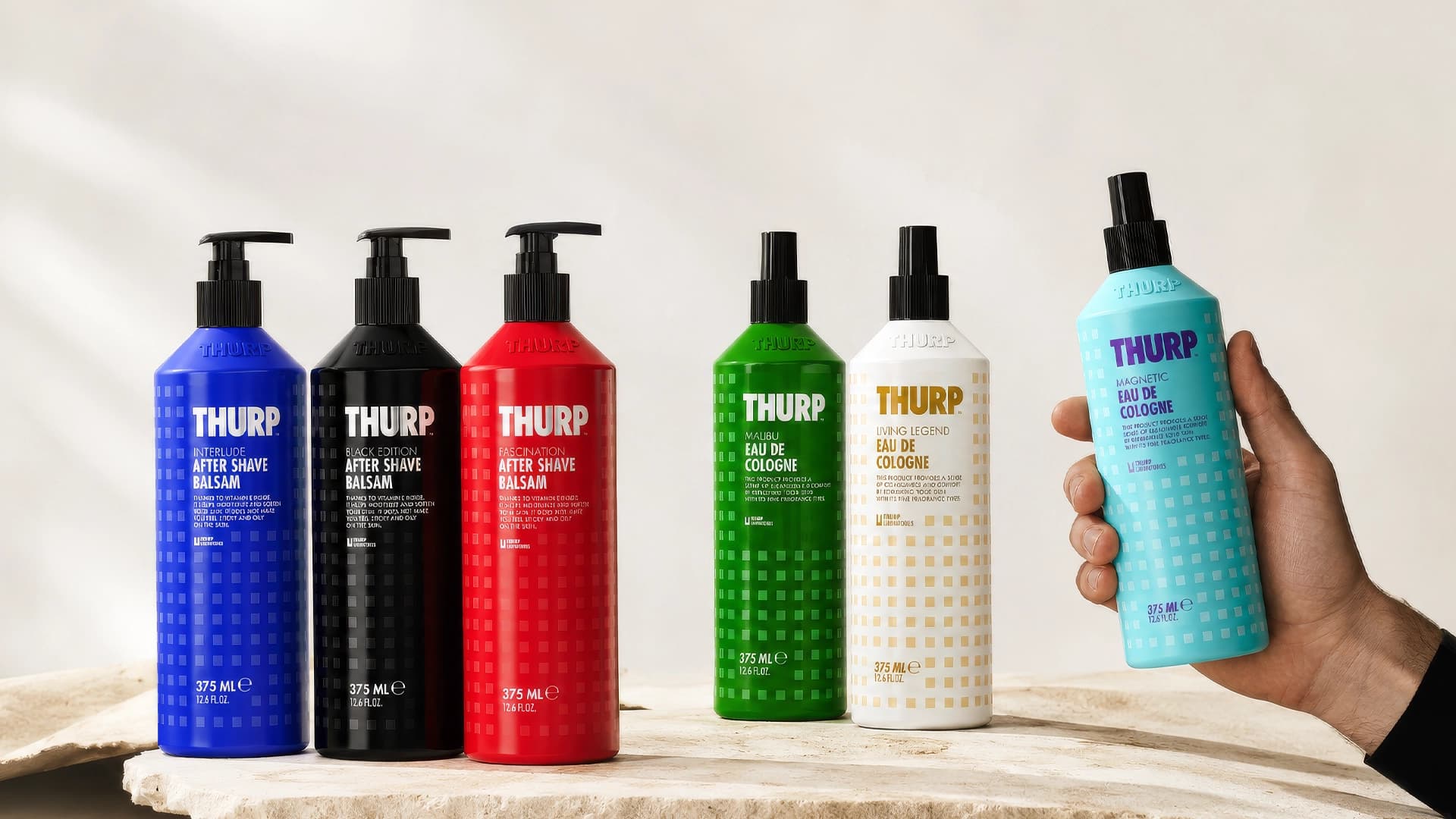
The question of own brand or branded product comes up in almost every salon – at the styling station as much as on the retail shelf. Both have their place. What matters is not "either/or", but the right mix for your business. This article compares the criteria that truly count and ends with a clear recommendation.
What is this really about?
Branded products are the well-known manufacturers that clients recognise from advertising and the drugstore. Own brands are managed by wholesalers or salons themselves – geared to the professional realities of salon work and without the advertising premium that big brands pass on through the price. Both parts of the range solve different jobs: the brand draws customers through name recognition, the own brand earns through margin and loyalty.
Comparison by the criteria that count
1. Margin
The biggest lever. With branded products, the margin is tightly set by the market – the client often knows the rough price, and the competition is just a click away. Own brands generally offer considerably more room on both purchasing and resale. Anyone who actively recommends care products is, with a pure branded range, often giving away the profit that makes the difference between a solid month and a profitable one.
2. Quality and trust
A good own brand has to deliver professional results – otherwise the short-term margin gain becomes a long-term loss of trust. Branded products bring an external head start in trust; with own brands, trust is built through the recommendation at the station. That is precisely why the own-brand business stands or falls on product quality: a single disappointing result costs more than the margin on a product could ever bring in.
3. Recognition and selling
Brands partly sell themselves because the client already knows them – but that is exactly what makes them interchangeable: she can get the same product online and elsewhere too. Own brands need the team's active recommendation, but in return they tie the client to your salon rather than to a manufacturer. Once someone is used to the salon's own brand, they come back to you for the repeat purchase – not to the drugstore.
4. Availability and dependence
Anyone who relies solely on third-party brands is dependent on their supply reliability and pricing policy. Price increases, supply shortages or discontinued lines then hit you with full force. Own brands sourced through a reliable partner reduce this dependence – provided the supply chain holds up (see B2B purchasing through the wholesale trade).
When brand, when own brand?
- Branded product, when the regular client specifically asks for it and there is brand loyalty.
- Own brand, when you advise actively, the margin matters, and you want to tie clients to the salon.
- Mixed strategy is the real-world case for most salons: brands as the anchor on the shelf, own brands as the high-margin recommendation at the station.
How the team introduces own brands successfully
Own brands rarely fail because of the product, almost always because of the recommendation. Three points from practice:
- Be convinced yourself. The team only sells what it has used itself. A short internal trial phase before the shelf launch does more than any sales script.
- Recommend on the result, not the price. The recommendation connects to what the client sees in the mirror right now – not to a discount.
- Consistent, not pushy. One honest recommendation per appointment, but at every appointment. Consistency beats pressure.
Frequently asked questions about own brand and branded product
Are own brands worse than branded products? No – what matters is the quality of the specific own brand, not the label. A professionally formulated own brand delivers salon-grade results; the difference from the brand lies mainly in the missing advertising premium.
How much more margin does an own brand bring? That depends on the purchase and selling price, but the room is regularly noticeably greater than with price-fixed branded products – especially in actively advised resale.
Should I switch entirely to own brands? Usually not. Brands provide recognition and an anchor on the shelf, own brands provide the margin. For most salons the mix is more stable than a range made up of only one of the two.
How do I introduce an own brand without losing regular clients? Through the recommendation based on the result rather than by crowding out the shelf. Brands stay available, the own brand is added as a professional recommendation – not as a replacement imposed "from above".
The right mix instead of dogma
There is no blanket answer – but there is a clear recommendation: build a range that combines well-known brands and your own brands, and train the team in making the recommendation. That way you secure revenue, profit and customer loyalty all at once, rather than making yourself dependent on a single source.
Anyone who sources both from a single supplier also saves the coordination across several supply chains. At Saykos, distribution brands and own brands deliberately belong in the same range – the Brands page gives an overview. Which mix suits your business is best discussed in terms of your actual range: with no obligation, via the contact form.