
Buying Hairdressing Supplies from a Wholesaler: What Salons Should Look for in B2B Purchasing
Hairdressing supplies from the wholesale trade: how salons cut purchasing costs, secure supply reliability and choose the right B2B partner. A practical guide for hairdressing businesses.
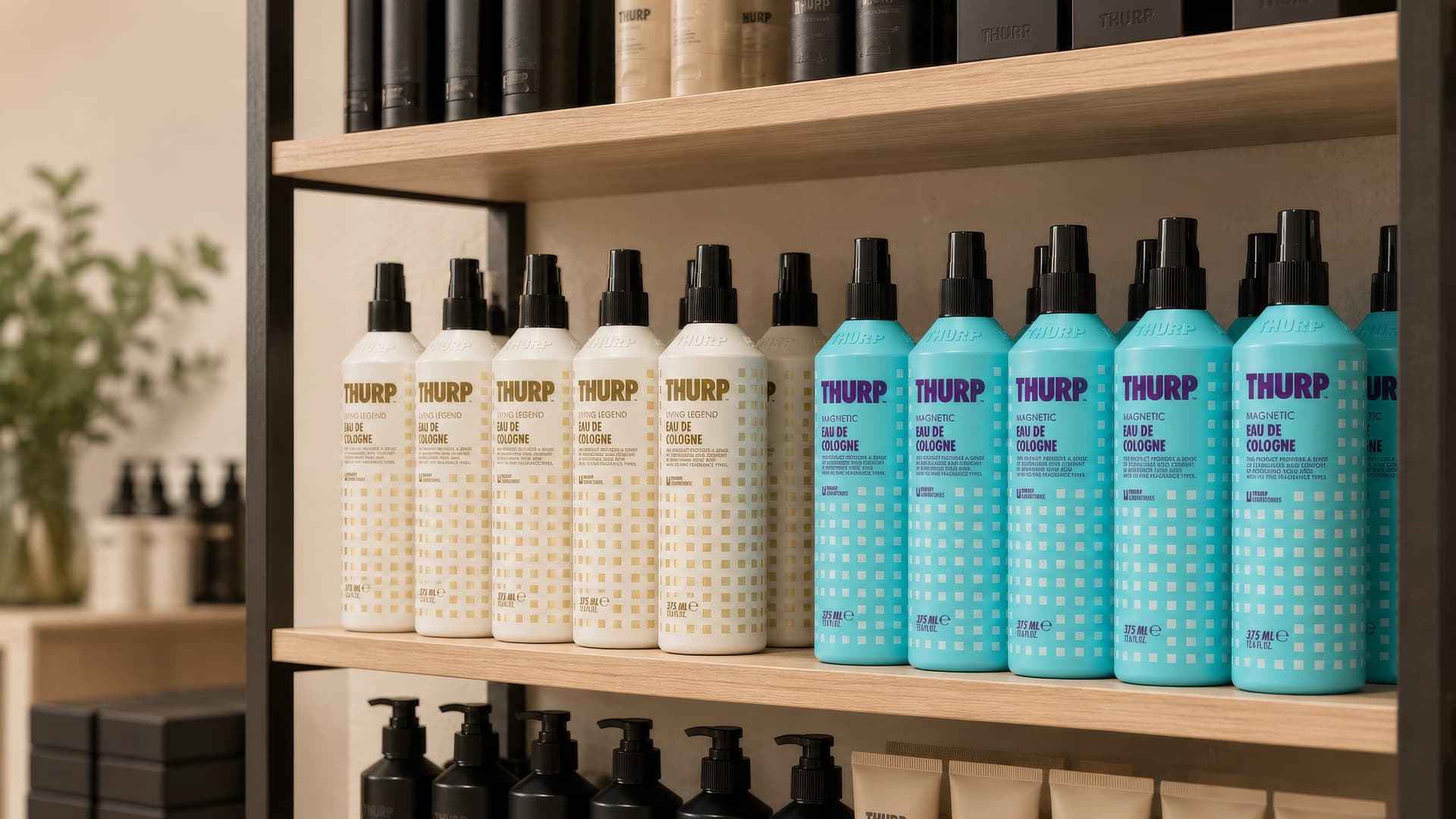
Anyone who regularly buys hairdressing supplies from a wholesaler is deciding not just on purchase prices, but on the supply reliability of the entire salon. If the most-used colour is missing on a Saturday morning, the cheapest list price is of little help. This guide shows what salon owners and master hairdressers should really look for in B2B purchasing – and which criteria count for more in day-to-day work than the discount on paper.
Why wholesale instead of buying individually
Purchasing through a wholesaler pays off as soon as a salon has predictable, recurring demand – which is to say, practically from the first styling station onward. The advantages over buying item by item:
- Better terms when purchasing ranges rather than individual items
- Consistent availability of core products through a single supplier
- Less ordering effort – one point of contact instead of many sources
- Advice on new products, trends and range optimisation
The underrated factor is time. Every additional source means another order, another invoice, another delivery that has to arrive. Bundled purchasing saves not just cents per item, but hours per month – hours that are worth more on the salon floor than at the desk.
1. Depth of range: does the partner cover your real needs?
A good hairdressing-supplies wholesaler stocks not just colours, but the whole chain: coloration, care, styling, tools, consumables and hygiene. Check whether your A-list items – the products that go across the counter every day – are permanently listed and in stock. A broad catalogue range is of little use if the most-used items are constantly missing.
A practical test: take your ten most-used items and check their availability over several weeks, not just on the day of the first order. A partner who reliably delivers the standard colours is worth more than one with the largest catalogue and gaps in the basics.
2. Delivery reliability and supply routes
The most important metric in B2B purchasing is not the price, but delivery reliability. Ask specifically about:
- typical delivery times and minimum order values
- availability of core products (stock items vs. drop-shipping)
- how short-notice shortages are communicated and resolved
Short supply routes and a contact person you can reach are often worth more in daily work than a few percent of discount. Stock held in the region is more predictable than drop-shipping through several intermediate stops – especially when things need to move fast.
3. Own brands and brand distribution in the range
Pay attention to whether the wholesaler stocks both established brands as an official distributor and own brands. This combination gives you room to manoeuvre: branded products for the regular clientele, high-margin own brands wherever it makes sense. Anyone who relies solely on third-party brands is at the mercy of their pricing and supply policy. We go deeper into how the mix adds up commercially in the article Own brand or branded product in the salon.
4. Advice and terms
A pure mail-order catalogue is not a partner. A wholesaler becomes valuable through personal advice: range analysis, new products, training offers and fair, transparent terms that grow with the salon. Terms that only look good at the first order and are never revisited afterwards are a warning sign – a good partner adjusts the tier when the salon grows, without you having to negotiate every time.
5. Check hidden costs and tie-ins
The list price is only part of the calculation. Watch out for shipping costs below the minimum order value, minimum purchase quantities per brand, exclusivity clauses and notice periods. A low base rate with hard delivery obligations can be more expensive than a slightly higher price with full flexibility. Always calculate using the full picture of a typical ordering month, not the best price on individual items.
Checklist: choosing the right B2B partner
- Are my A-list items permanently available?
- How reliable and fast is delivery?
- Is there a fixed point of contact?
- Brands and own brands in the range?
- Transparent terms that grow with you?
- No hidden shipping or minimum-purchase costs?
- Advice rather than just order-taking?
Frequently asked questions about hairdressing-supplies wholesale
At what point does buying through a hairdressing wholesaler pay off? As soon as demand is predictable and recurring – in practice, from the first styling station. Even then, the savings on terms and time outweigh the effort of switching.
What matters most in B2B purchasing? Delivery reliability, not the lowest list price. A salon that reliably gets its core products earns more than one that has to improvise every third Saturday.
Should I buy an own brand or a branded product? Both. Brands retain the regular clientele, own brands secure margin. The right wholesaler stocks both, so you can decide freely per range area.
How do I recognise a reliable wholesale partner? By delivery reliability over weeks, a fixed point of contact, transparent terms without hidden tie-ins – and by whether they advise or merely fulfil orders.
Hairdressing supplies, own brands and fit-out thought through together
Most of these criteria come down to the same thing: short routes, one point of contact, a range that covers both brands and own brands. That is exactly how we work at Saykos – as a wholesale partner for hairdressing businesses with official distribution of international brands, own brands and personal supply routes from Heek. You will find an overview of the brands we stock under Brands.
For a no-obligation conversation about range and terms, the contact form is all you need. And if a new build or refurbishment is happening in parallel, the fit-out checklist helps you think about the fit-out and the initial supplies together from the start.